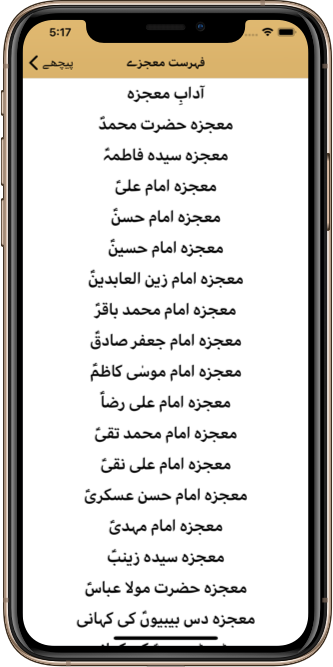




Available on the Apple App Store in iPhone and iPad
ALYYLA iOS App for iPhone and iPad (book app of) 14 Mojzay — a rare find in mobile apps.
have become vital for tracking progress toward the Millennium Development Goals (MDGs) and the newer Sustainable Development Goals (SDGs). Media & Rights: Groups like the Global Investigative Journalism Network
However, the celebrations of 2013 were tempered by the realities of a still-developing industry. At the very same DISCOP conference, while panels called for more locally grown content, the exhibition floor told a different story, dominated by Chinese, Mexican, and Indian production companies hawking telenovelas. Despite Nollywood's staggering volume, its productions were often "despised by insiders for their notoriously low production values". The market, while growing, remained relatively small, with only about 42 million television households across the continent. And despite a bold new network like EbonyLife TV, the dream of a fully self-sustaining and globally competitive industry was still a work in progress. The challenge for Africa was clear: harness its incredible creative energy and youthful demographic while simultaneously building the infrastructure, investment, and quality control to compete on a global scale.
Across the continent, from Lagos to Nairobi and Cape Town to Accra, a new era of entertainment emerged. This article explores how digital content, music, fashion, and social lifestyle changes in 2013 ushered in a "better" lifestyle for millions. 1. The Digital Revolution: Video Content and Tech
Do you need , such as adding meta descriptions or targeted subheadings? Share public link xnxx 2013 africa better
The business of music shifted toward digital downloads and ringback tunes, creating a more sustainable income for artists and enabling independent musicians to bypass traditional label structures. 3. Lifestyle and Urban Culture: A Better Quality of Life
: These music and lifestyle channels curated video countdowns and lifestyle shows that unified the continent’s entertainment taste. Their digital clips highlighted red-carpet events, award shows, and celebrity fashion.
Increased disposable income among the burgeoning middle class led to a boom in restaurants, cafes, and nightlife, redefining the social scene. have become vital for tracking progress toward the
The development of that enabled this content. Let me know which area interests you most! Share public link
Do you need this article optimized for a specific (like an academic blog or a casual entertainment site)? Share public link
: Consumer habits shifted toward formal shopping malls, with major projects like West Hills Mall in Accra (slated for 2014) and the expansion of Shoprite in Nigeria signaling a transition from informal markets to structured retail. Economic and Media Outlook The challenge for Africa was clear: harness its
In 2013, “better lifestyle” meant choices. For the first time, a coder in Nairobi could order a pizza online via M-Pesa . A fashion blogger in Lagos could sell dresses through Instagram—yes, Instagram was only 3 years old. The African middle class was expanding, and the video evidence was grainy but real: paved roads, new malls, air conditioners, and Saturday barbecues with bottled water instead of sachets.
The video boom of 2013 laid the indispensable groundwork for the current global dominance of African entertainment. It proved that African lifestyle and entertainment content was not only viable but highly profitable on a global scale. By leveraging digital video, African creatives successfully exported their culture on their own terms, establishing a legacy of self-representation that continues to shape global media today.